
The official Warrior Cats site lists 15 warrior code rules, not 16. Here is every rule in order, what it means, and why fan lists add a sixteenth.
Warrior Cats Warrior Code List: All 15 Rules in Order
The warrior code list published by the official Warrior Cats site contains 15 rules, and they are numbered 1 to 15 on that page. The code covers loyalty to your Clan, borders, feeding order, apprentices, deputy succession, Gatherings, trespassers, kits, the leader's authority, mercy in battle, and a warrior's rejection of kittypet life. A sixteenth rule about Clans helping one another is widely repeated in fan wikis and reading guides, but it is not part of the numbered list the publisher currently hosts, so treat 15 as the official count and 16 as a fan convention.
- 15 rules on the official warriorcats.com page, numbered 1 to 15
- No rule mentions medicine cats - their safe passage is custom, not code
- The code is not a legal system - leaders interpret it, and cats break it constantly
- Several rules exist to be tested by the books' main characters
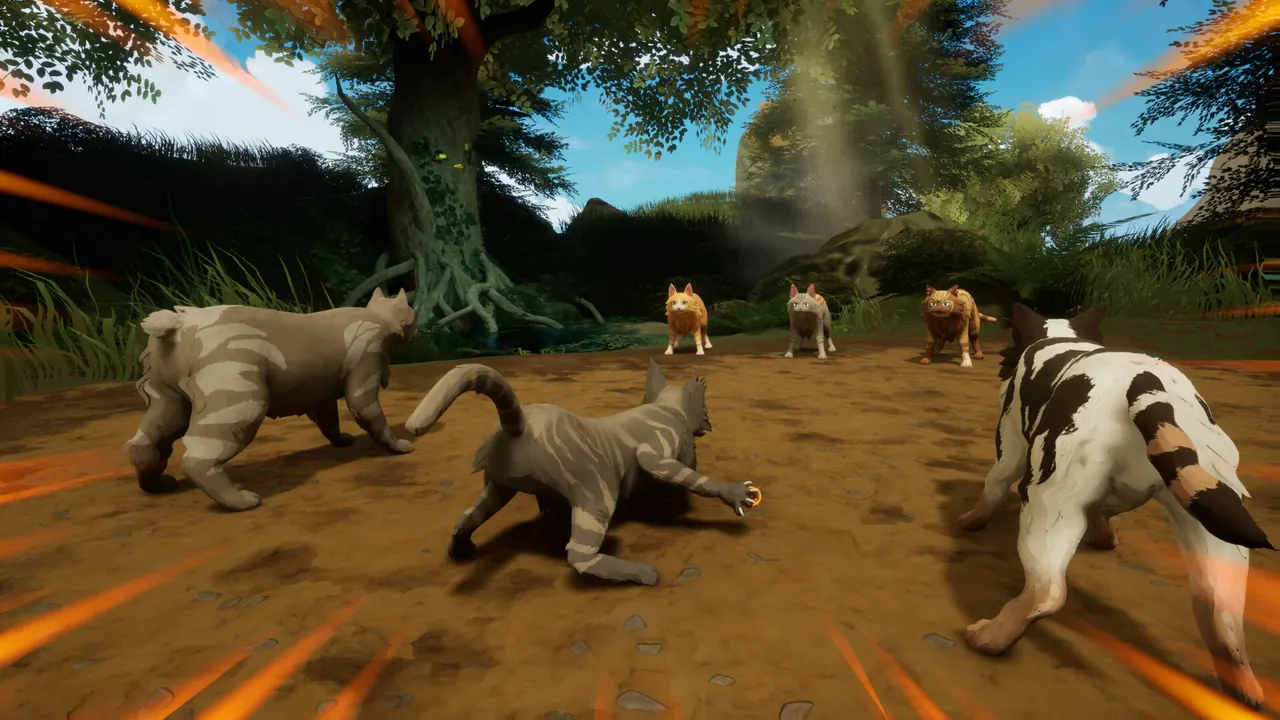
- The game is not a code simulator - Clans of the Forest is an action RPG, not a rule engine
Official source: the full numbered list and the glossary that defines terms such as moonhigh and Gathering are both on warriorcats.com. Book publication data comes from the publisher's books index, and the game's feature set from its Steam page.
The 15 Rules, in Order
The table below condenses each rule to its operative sentence. Paraphrasing loses some of the flavour, so read the official page if you need the exact wording for a school project or a wiki edit.
| # | Rule, in short | What it actually does |
|---|---|---|
| 1 | Defend your Clan, even with your life | Permits cross-Clan friendship but forbids divided loyalty |
| 2 | Do not hunt or trespass on another Clan's territory | Creates the border system the whole series runs on |
| 3 | Elders and kits eat before apprentices and warriors | Sets a feeding hierarchy, with a hunting exemption for apprentices |
| 4 | Kill prey only to eat, and thank StarClan for its life | Frames hunting as survival, not sport |
| 5 | A kit must be six moons old to become an apprentice | Fixes the start of training at roughly six months |
| 6 | New warriors keep a silent vigil for one night | Marks the end of apprenticeship |
| 7 | A deputy must have mentored at least one apprentice | Requires proven teaching before leadership |
| 8 | The deputy becomes leader when the leader dies or retires | Makes succession automatic rather than elected |
| 9 | A new deputy is chosen before moonhigh | Prevents a power vacuum lasting more than a day |
| 10 | All four Clans meet at the full moon under truce | Creates the only neutral ground in the setting |
| 11 | Check and mark boundaries daily; challenge trespassers | Turns rule 2 into a daily physical job |
| 12 | Never neglect a kit in pain or danger, even from another Clan | The one rule that overrides borders outright |
| 13 | The word of the Clan leader is the warrior code | Gives leaders interpretive authority, and a way to abuse it |
| 14 | An honourable warrior need not kill to win | Permits killing only outside the code or in self-defence |
| 15 | A warrior rejects the soft life of a kittypet | Sets the cultural divide between Clan cats and house cats |
Why Some Lists Say 16 Rules
Search for a warrior code list and you will find plenty of pages that end at 16, usually with a line stating that each Clan must help the others so that no Clan will fall. That line is quoted often enough that it reads as canon, and it fits the tone of the rest of the code. It is simply not in the numbered list on warriorcats.com at the time of writing, which stops at 15.
The practical answer for readers is to check which version a page is using before quoting it. If you are writing about the code as the publisher presents it, cite 15 and name the source. If you are discussing the code as readers remember it across the books and field guides, note that the sixteenth rule is part of that broader tradition. Neither answer is dishonest; mixing them without saying so is.
Nothing in the code explains who enforces it. Leaders judge, deputies carry out the judgement, and medicine cats are expected to stay outside the argument. That gap is where most of the series' politics happens.
How the Code Builds Clan Ranks
Read the code alongside the rank structure and it stops looking like a list of morals and starts looking like a constitution. Rule 5 sets the age of apprenticeship. Rule 6 marks the transition to warrior status. Rules 7, 8 and 9 chain the deputy and leader roles together so that a Clan cannot be left without a successor for long. Rule 13 hands the leader the final word on interpretation.
That is also why the deputy rule matters so much in the books. A deputy who has never mentored an apprentice is disqualified by rule 7, which is a concrete qualification rather than a popularity contest. When a leader dies, rule 8 makes the deputy the new leader without a vote, and rule 9 forces the new leader to name a replacement deputy before moonhigh. The full rank ladder, from kit to leader, is broken down in our Clan ranks and roles guide.
Territory works the same way. Rule 2 forbids trespass, rule 11 makes border marking a daily duty, and rule 10 suspends both at the full moon. Those three rules together are why the map matters in every arc and why the four-Clan structure holds even when individual leaders despise each other. Our four Clans and territories guide maps the borders rule 11 is talking about.
Rules That Get Tested Most Often
Three rules do most of the narrative work.
Rule 1, loyalty to your Clan, is the one that creates tragedy, because it allows friendship with cats from other Clans while forbidding divided loyalty. Almost every cross-Clan relationship in the series runs into that wall.
Rule 12, never neglect a kit in danger even from another Clan, is the code's humanitarian clause and the simplest way to show which cats are decent. A warrior who hesitates at that rule has been characterised for the reader in one scene.
Rule 15, rejecting kittypet life, is the rule that defines the series' outsiders. Firestar's origin as a house cat makes rule 15 personal for the main character of the first arc, and the books spend a lot of time testing whether the rule describes reality or just Clan pride. Our characters and book cats guide covers which cats from the books appear in the game and why the roster is smaller than the cast of the novels.
Rule 14 deserves its own line, because it is the only rule that talks about killing. It does not ban killing; it says an honourable warrior does not need to kill to win, except against cats outside the code or in self-defence. That wording leaves a wide grey zone, and the series uses it.
What the Code Does Not Cover
The code says nothing about medicine cats, StarClan, the nine lives ceremony, or the age at which a kit is named. Those are custom, ceremony and precedent rather than written rule. Medicine cats cross borders freely because every Clan needs them to, not because a numbered rule grants passage. Leaders receive nine lives at a ceremony that the code never describes.
The code is also silent on exiles, rogues and loners who are not kittypets. A cat who leaves a Clan is not covered by rule 15, which is specifically about the soft life of a kittypet, and that omission is why exile stories can go in so many directions.
For readers joining through the game rather than the books, the important thing is that the code is background, not a mechanic. Clans of the Forest is an action RPG with a created cat and a Clan campaign, and the feature list does not advertise a code-following system. Our beginner's guide covers what the game actually does with the setting.
Fan wikis are useful for tracking contradictions between books, but they are not the official list. If a claim matters, quote warriorcats.com or the book itself and say which one you used.
Reading the Code Like a Reader
The fastest way to understand the warrior code is to notice that the books treat it as something cats argue about. Leaders invoke rule 13 to end debate. Deputies invoke rule 9 to justify a hurried choice. Warriors invoke rule 12 to justify crossing a border they would otherwise never cross. The code is a tool characters use on each other, which is why a plain numbered list feels thinner than the stories built from it.
If you want to read the source material in order before diving into the fandom arguments, our Warrior Cats books in order guide lists all nine arcs and every main-series title.
FAQ
How many rules are in the warrior code? The official Warrior Cats site lists 15 numbered rules. Many fan lists include a sixteenth rule about Clans helping each other, but that line is not in the publisher's current numbered list.
What is rule 12 of the warrior code? No warrior may neglect a kit in pain or danger, even if that kit belongs to a different Clan. It is the clearest exception to the border rules.
Can medicine cats break the code? Medicine cats are not covered by the numbered rules at all. They may cross borders because every Clan needs them to treat the sick, and they are barred from taking mates or having kits by custom rather than by a numbered rule.
Is the warrior code in the game? Clans of the Forest uses the setting and characters but does not advertise a rule-following system. The code is lore you bring with you, not a mechanic the game enforces.
More Warrior Cats: Clans of the Forest Guides
Clans of the Forest costs $29.99 and early reviews land between 6.5/10 and 77/100. Here is who should buy it, who should wait, and why scores split.
There are no cat breeds or classes in Warrior Cats. The types that matter are Clan, rank and stance, and here is how each one changes the game.
The common Warrior Cats: Clans of the Forest mistakes: ignoring Stances, hoarding StarClan moves, skipping herbs and expecting an action RPG.
Clan choice decides which campaign you play in Clans of the Forest. What each of the four Clans offers, why there is no stat tier list, and who each suits.
Every Warrior Cats book in reading order: nine story arcs, 52 main-series novels, plus Super Editions and manga, as listed by the publisher.
There is no published list of Clans of the Forest endings. What the four campaigns conclude, why procedural generation changes the answer, and how to see each.
How to save in Warrior Cats Clans of the Forest: the pause-menu exit method, outposts, Steam Cloud, save location and backup steps.
A practical Warrior Cats Clans of the Forest walkthrough: campaign order, early quests, combat, den crafting, ranks and the three modes.